Self-care has become a popular phrase, often pictured as spa days or long vacations. But for most busy people — juggling work, family, and countless responsibilities — that version of self-care is neither realistic nor sustainable. Genuine self-care is less about grand gestures and more about small, consistent choices that protect your energy and mental health, even on the busiest days.

Redefining Self-Care
At its core, self-care means taking deliberate action to maintain your physical, emotional, and mental well-being. It doesn’t require large blocks of free time — it requires intention. Five minutes of genuine rest can matter more than an hour of distracted scrolling.
Practical Self-Care Strategies That Actually Fit a Busy Schedule
1. Protect Your Sleep First
Before adding new self-care habits, protect the ones you already have — especially sleep. As covered in our article on sleep and mental health, rest is the foundation that makes everything else more manageable.
2. Use Micro-Breaks Intentionally
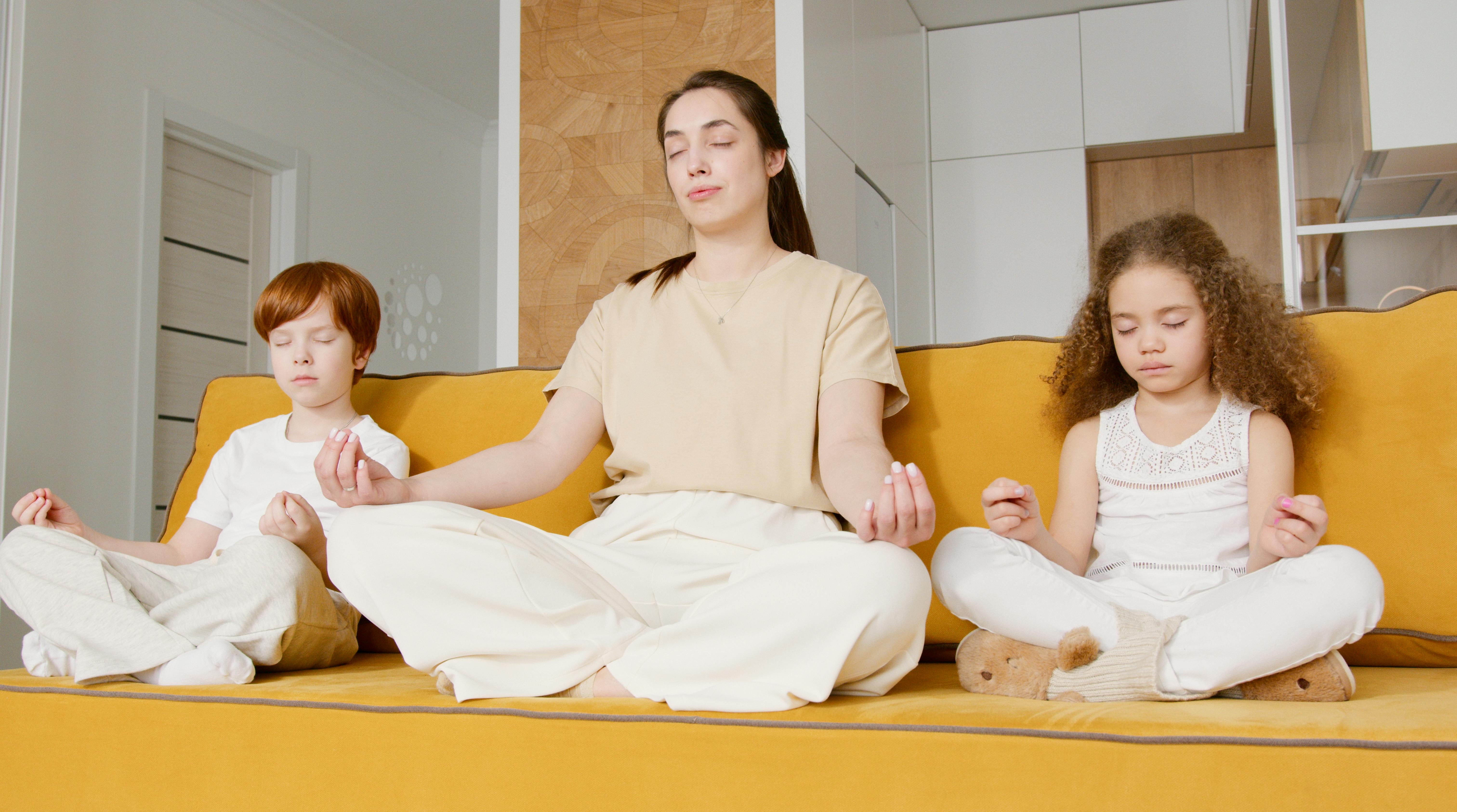
A two-minute pause between meetings, used for a few deep breaths or a quick stretch, can meaningfully lower stress levels. You don’t need 30 free minutes to reset — you need to use the small pockets of time you already have.
3. Say No Without Guilt
Overcommitting is one of the biggest barriers to self-care. Practicing the boundary-setting skills discussed in our guide on healthy boundaries protects the time you need to recover.
4. Build Self-Care Into Existing Routines
Habit stacking works here too — add a two-minute gratitude note while your coffee brews, or a short walk right after lunch. Attaching self-care to something you already do removes the need for extra willpower, a principle explained further in our article on habit formation.
5. Don’t Underestimate Basic Needs
Drinking enough water, eating regular meals, and stepping outside briefly may sound too simple to matter, but neglecting these basics is one of the fastest ways to feel emotionally depleted, regardless of how “productive” the day was.
6. Schedule Rest Like an Appointment
If self-care only happens when there’s leftover time, it rarely happens at all. Block small amounts of time for it the same way you would a meeting — even 10 minutes, protected and non-negotiable, adds up over a week.

Self-Care Is Not Selfish
Many busy people, especially those caring for others, feel guilty prioritizing themselves. But consistently neglecting your own needs eventually reduces your capacity to show up for the people and responsibilities that matter to you. Self-care isn’t an indulgence — it’s maintenance, the same way you’d maintain anything else you rely on daily.
Start Small, Stay Consistent
You don’t need to overhaul your schedule to practice better self-care. Pick one small, realistic habit — protecting your sleep, taking a genuine micro-break, or saying no to one unnecessary commitment this week — and build from there. Small, consistent care adds up to real resilience over time.