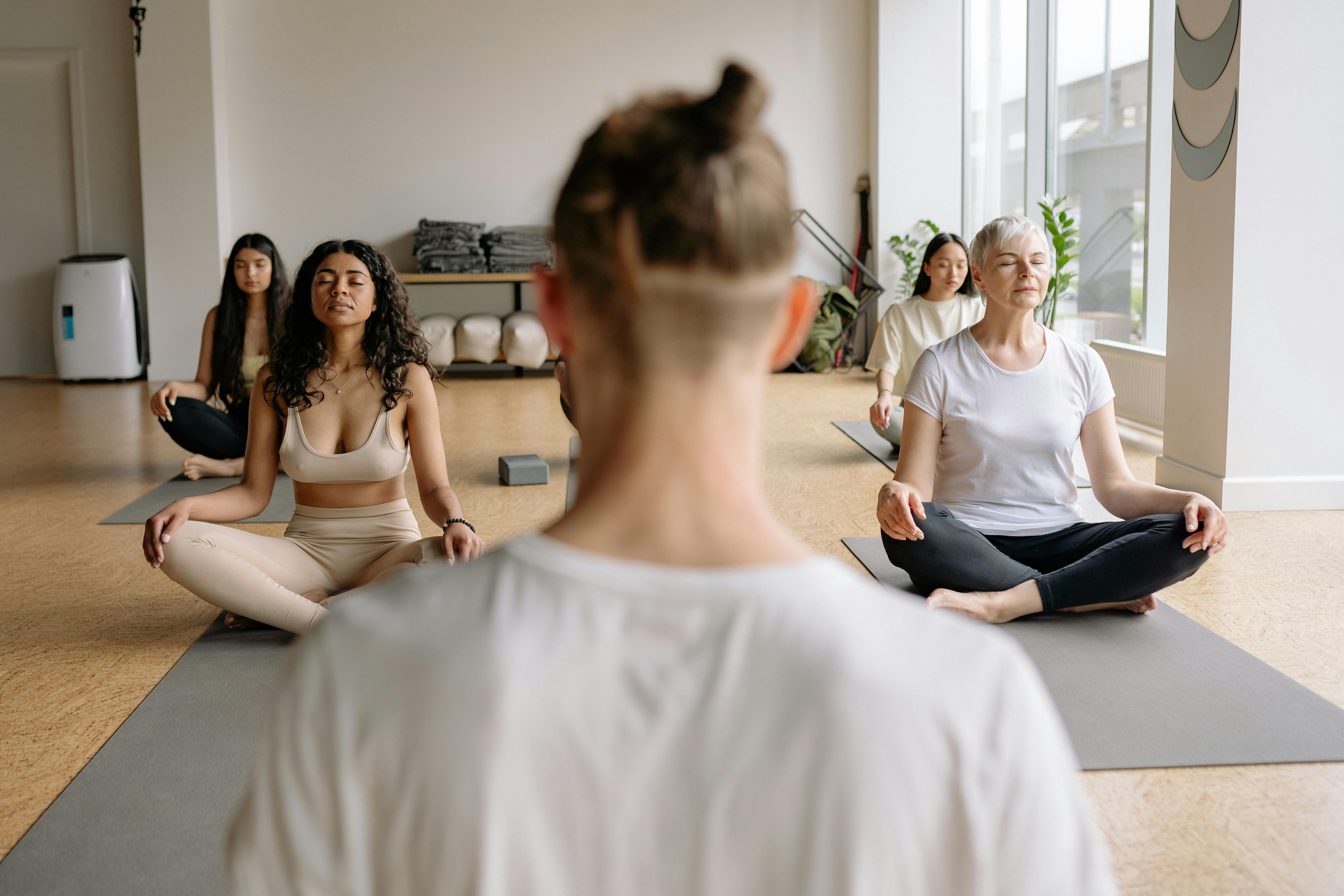
Mindfulness meditation has moved from ancient contemplative traditions into mainstream psychology, and for good reason — decades of research now link a regular practice to reduced stress, improved focus, and better emotional regulation. Yet many beginners find the idea intimidating, imagining hour-long silent sessions or a completely empty mind. In reality, mindfulness meditation is simpler, more forgiving, and more accessible than most people expect.
What Mindfulness Meditation Actually Is
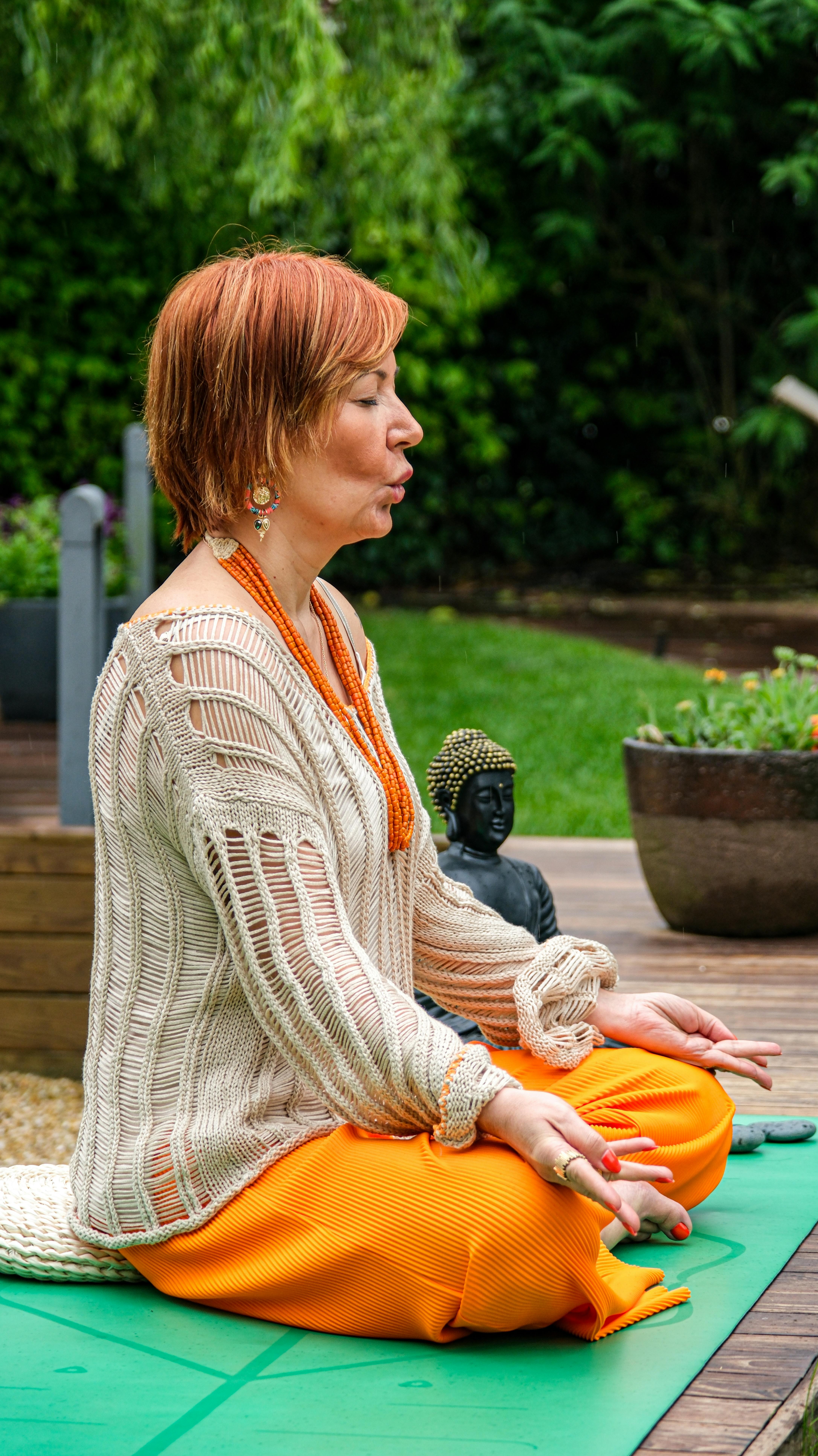
Mindfulness meditation is the practice of paying deliberate attention to the present moment — your breath, bodily sensations, sounds, or thoughts — without judging or trying to change what you notice. The goal isn’t to stop thinking; it’s to notice when your mind has wandered and gently bring it back, again and again. That repeated act of noticing and returning is the actual exercise, similar to a rep in strength training.
The Benefits, Backed by Research
- Reduced symptoms of anxiety and stress
- Improved attention span and working memory
- Better emotional regulation and reduced reactivity
- Lower blood pressure and improved sleep quality
- Greater overall life satisfaction with consistent practice
How to Start: A Simple Beginner Practice
1. Choose a Short, Realistic Duration
Start with just 5 minutes a day. Consistency matters far more than length, especially at the beginning.
2. Sit Comfortably
You don’t need a cushion or a special posture. A chair, the floor, or even your bed works — the key is being alert but relaxed.
3. Anchor Your Attention
Pick a focus point, usually the breath. Notice the sensation of air entering and leaving your body, without trying to control it.
4. Notice, Don’t Fight, the Wandering Mind
Your attention will drift — that’s normal and expected, not a sign of failure. Each time you notice it wandering, gently guide it back to your breath. That moment of noticing is the practice working.
5. End Gently
When your timer goes off, take a moment before jumping back into activity. Notice how your body feels compared to when you started.
Common Beginner Mistakes
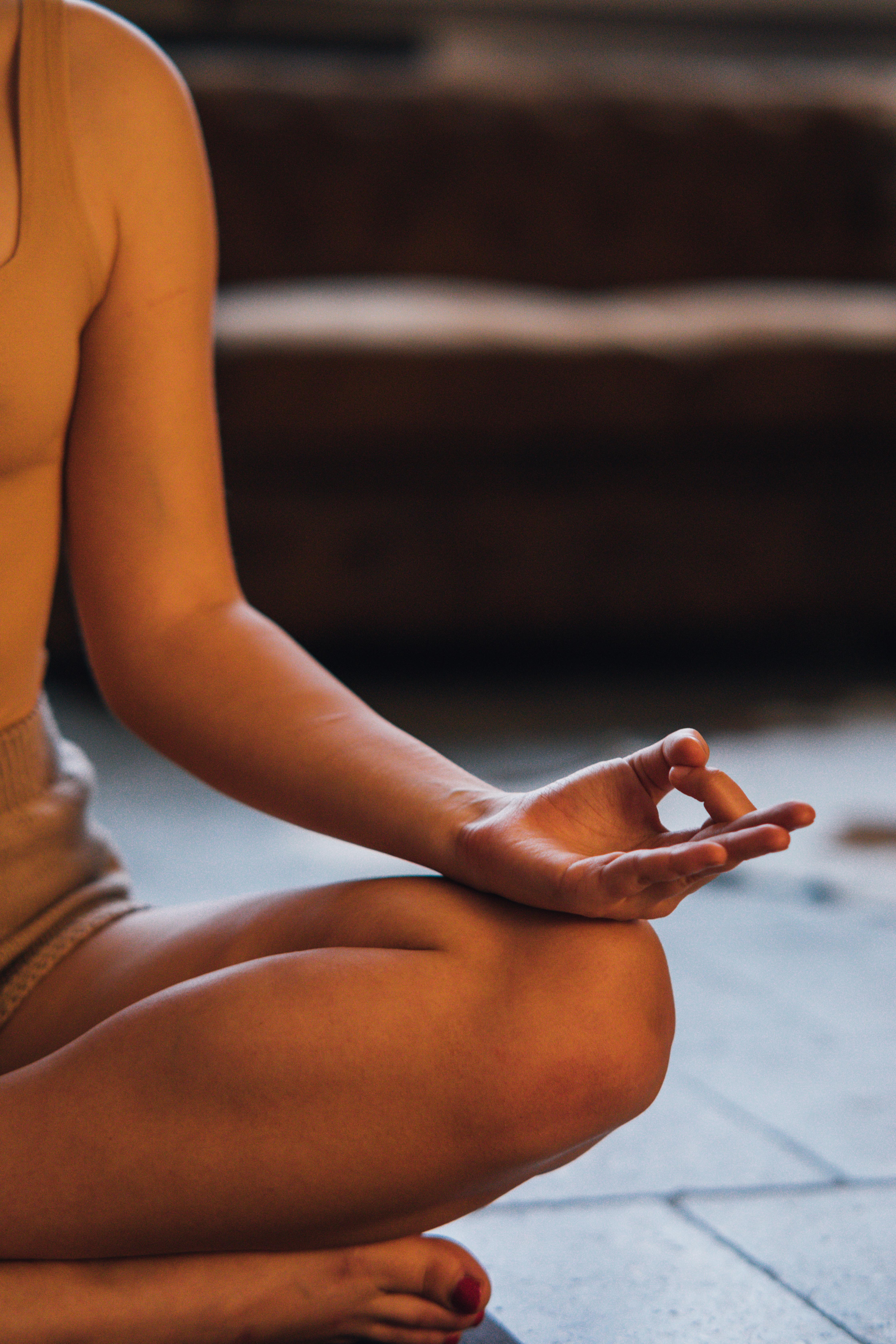
New meditators often expect immediate calm or a completely silent mind, then feel discouraged when their thoughts keep racing. Meditation isn’t about achieving a blank mind — it’s about changing your relationship with your thoughts. Another common mistake is quitting after a few days because “nothing happened.” Like any skill, the benefits build gradually with consistent practice, which connects closely to the habit-building strategies in our guide to habit formation.
Pairing Meditation With Daily Life
Mindfulness doesn’t have to be confined to a formal sitting practice. Eating a meal without distractions, walking without checking your phone, or simply pausing to notice three breaths before a stressful meeting are all ways to bring mindfulness into ordinary moments. If anxiety is a frequent companion in your day, pairing meditation with the coping tools in our article on understanding anxiety can strengthen both practices.
Getting Started Today
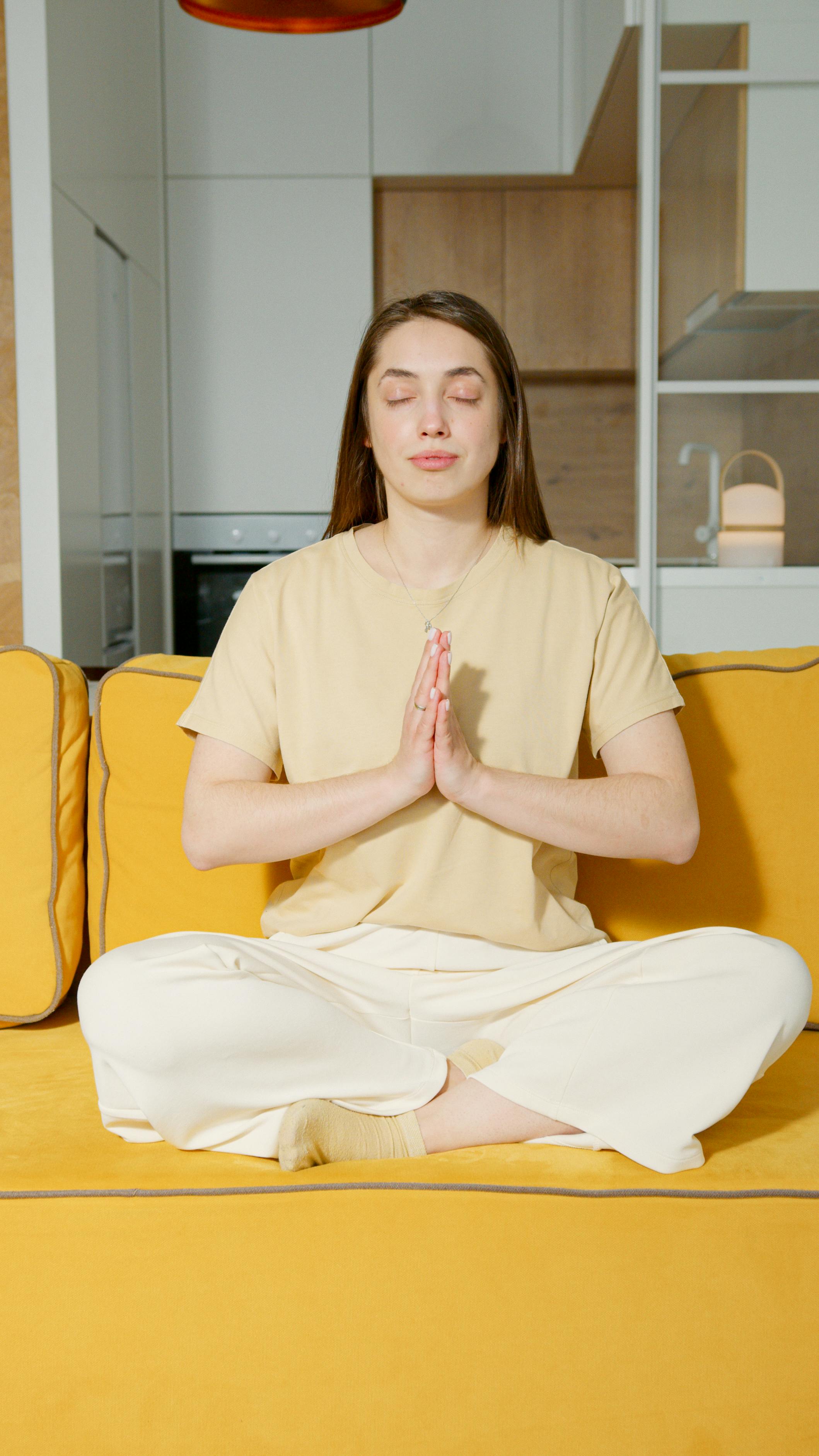
You don’t need an app, a teacher, or a perfect environment to begin. Set a timer for five minutes, sit somewhere reasonably quiet, and simply notice your breath. That’s the entire practice — and it’s enough to start building a skill that can genuinely change how you experience stress over time.