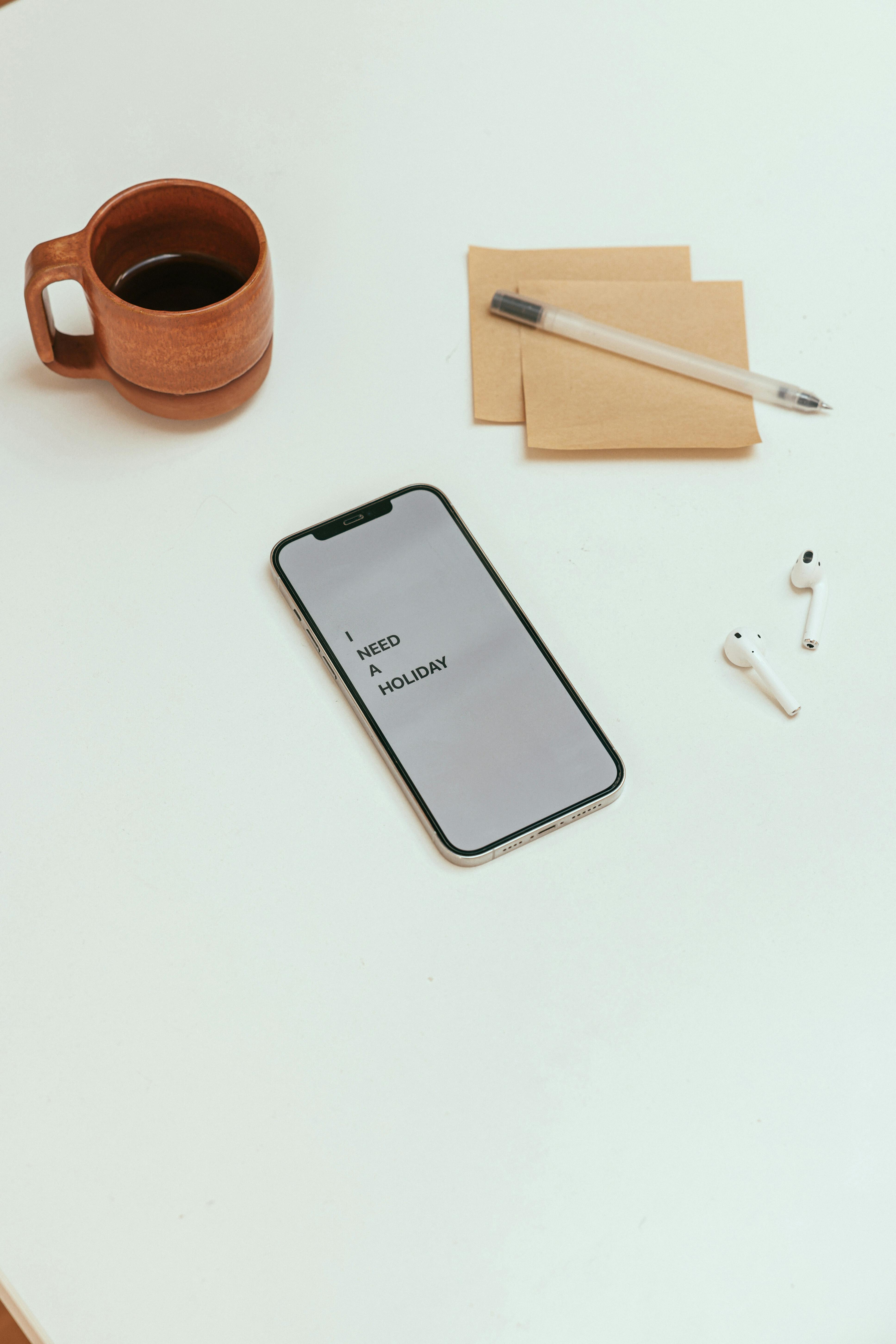
The average person checks their phone dozens of times a day, often without consciously deciding to. While technology brings real benefits, constant connectivity has also been linked to increased anxiety, disrupted sleep, and a persistent, low-grade sense of mental clutter. A digital detox doesn’t mean abandoning technology altogether — it means being more intentional about when and how you use it.

How Constant Screen Time Affects Mental Health
- Fragmented attention: Frequent notifications train the brain to expect constant interruption, making sustained focus harder.
- Comparison and social pressure: Social media often invites comparison to curated versions of other people’s lives.
- Disrupted sleep: Screen use before bed, especially blue light exposure, interferes with the body’s natural wind-down process.
- Reduced present-moment awareness: Habitual scrolling can crowd out the small, ordinary moments that contribute to overall wellbeing.
Practical Steps for a Realistic Digital Detox
1. Start With Awareness, Not Restriction
Before cutting back, get an honest picture of your current screen time using your phone’s built-in tracking tools. Awareness alone often naturally reduces mindless use.
2. Create Phone-Free Zones and Times
Rather than an all-or-nothing detox, designate specific times — meals, the first hour after waking, the hour before bed — as phone-free. Small, consistent boundaries are more sustainable than dramatic, short-lived breaks.
3. Turn Off Non-Essential Notifications
Most notifications are designed to pull attention, not to serve a genuine need. Disabling non-essential alerts reduces the number of times your attention gets hijacked throughout the day.
4. Replace, Don’t Just Remove
Simply removing screen time often leaves a gap that gets refilled by more scrolling. Replacing some of that time with a specific alternative — a short walk, a few pages of a book, the mindfulness practice covered elsewhere on this site — makes the change more sustainable.
5. Protect Your Sleep Window Specifically
Even a modest screen-free period before bed can meaningfully improve sleep quality, which has a ripple effect across nearly every area of mental health, as covered in our article on sleep and mental health.

You Don’t Need to Disconnect Completely
A sustainable digital detox isn’t about rejecting technology altogether — for most people, that isn’t realistic or necessary. It’s about restoring intention to how and when you engage with your devices, so that technology remains a tool you use, rather than a habit that quietly uses your attention without your consent.